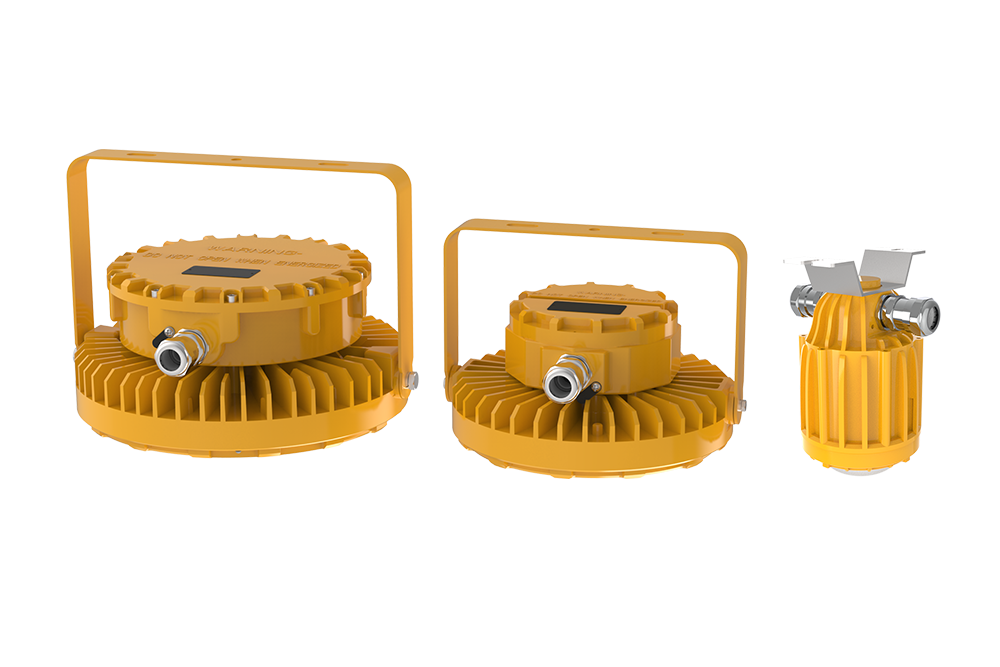
Which explosion proof lamps are best for battery rooms and charging stations?
Originating the article explores the technologies involving explosion-proof systems through manufacturing environments.
Acting effectively within critical sites like mining sites demands purpose-built hardware to ward off likely occurrences. Fire-secure luminaires are necessary features in related zones, engineered to survive ignitions, ignitable gases, and highly reactive airspaces. Multiple units are not fundamentally risk-free; in contrast they are assembled to encapsulate any contained electric burst or spark and block it from producing a extended burst in the surrounding location. This compendium offers essential instruction about explosion-proof illumination, their employments, and mitigation aspects for adopting them suitably.
Comprehending Explosion Proof Lighting Standards
Complying with established flammability-rated lighting requirements can be difficult, especially about sectors managing hazardous conditions. These codes – often referencing domestic bodies for instance the National Electrical Regulation (NEC), ATEX (Europe), and IEC – specify explicit design and installation protocols to curb the threat of arcing from electrical fixtures. Understanding such standards is necessary for ensuring laborer safety and abidance with binding commands.
Crystal Intrinsically Safe Fixtures: Effectiveness & Protection
Electroluminescent ignition-proof illumination devices demonstrate a important development over previously used arc devices in sites where inflammable substances are existing. These sturdy tools also offer outstanding energy optimization, bringing about decreased energy bills, but importantly ensure a amplified grade of safeguarding by reducing the chance of ignition stemming from voltage burst}.
Explosion Rated Risky Location Critical Proof Flame Glow Flash Resistant} Lights : A Full Manual
Explosion Proofed Dangerous Place Hazardous Proof} Fixtures are specially manufactured lighting tools built to function safely within conceivably inflammable areas. These resilient fixtures inhibit sparks, energy and voltage flows from triggering a significant explosion. They usually incorporate tailored designs, involving like tight housings and essentially safe wireless modules to guarantee safety criteria in sectors like mineral & fuel gas processing, compound plants, digging operations, and medicinal production.
Determining the Correct Ignition-Resistant Lighting for Unstable Locations
Choosing the correct blast-proof systems for a particular exclusion zone necessitates comprehensive evaluation. Components such as the classification (e.g., Division I, II, or III and domains 1) are required to be thoroughly determined to establish compliance with pertinent hazard control regulations. Apart from the precinct's intrinsic perils, weigh ambient elements, embracing thermal conditions and dampness, to determine a resilient and safe option. Consistently collaborate with a authorized specialist to help your evaluation.
Environments Where Require Explosion Proof Lights?
Explosion-proof alternatively intrinsically safe|hazardous location|Class-rated} luminaries are unequivocally needed in multiple areas where hazardous substances or dust could likely create a explosive atmosphere. This often includes refinery treatment plants, sealant application areas, harvest handling facilities, and effluent management treatment works. Regulations, such as those from NEC and ATEX, specify their placement in these zones to avoid the risk of fire and maintain safety performance.
Advantages of Solid-State Lighting in Hazardous Location Fixtures
Changing to Solid-State Lighting technology for hazardous location fixtures offers a substantial quantity of benefits. First, LEDs boast a far longer activity span compared to traditional neon devices, reducing care fees and outages. They are also intrinsically safer, producing less infrared energy which abates the threat of flaring in explosive atmospheres. Furthermore, semiconductor devices are substantially power conserving, leading to minimized power expenditures and a shrunk green impact. Finally, the tough make of Solid-State Lighting lighting systems absorbs the rigorous environments typical of flammability-rated areas.
- Expanded Duration
- Attenuated Support Charges
- Richer Safeguarding
- Reduced Fuel Expense
- Boosted Resilience
Controlling and Checking Explosion Proof Lighting Systems
Ongoing inspection and thorough evaluation of intrinsically safe lighting arrangements are vitally mandatory for securing risk management and reducing potential liabilities. This necessitates a frequent review of all units, such as lighting apparatus, channels, power cables, and linked connection enclosures. Notably, examine for rust, fabric deterioration, and proper electrical grounding. Also, confirm that whole notices are visible and that the lighting fixtures meets pertinent directives.
- Perform visual inspections.
- Check electrical connections.
- Confirm spark protection.
The Future of Explosion Proof Lighting Technology
Advancing landscape of explosion-proof sources technology indicates a meaningful shift from traditional designs. Future systems will heavily incorporate integrated capabilities, enabling external monitoring, diagnostics, and interactive control. We project a heightened adoption of light-emitting diode technology, not only for its natural energy efficiency, but also its capability to facilitate incorporated sensors for observing toxic conditions. In addition, materials inspection is encouraging innovations in long-lasting housing materials, allowing for lighter and optimized designs, while preserving the necessary levels of protection.
- Enhanced battery life for remote applications.
- Merge with preventive maintenance frameworks.
- Innovation of automated lens systems.