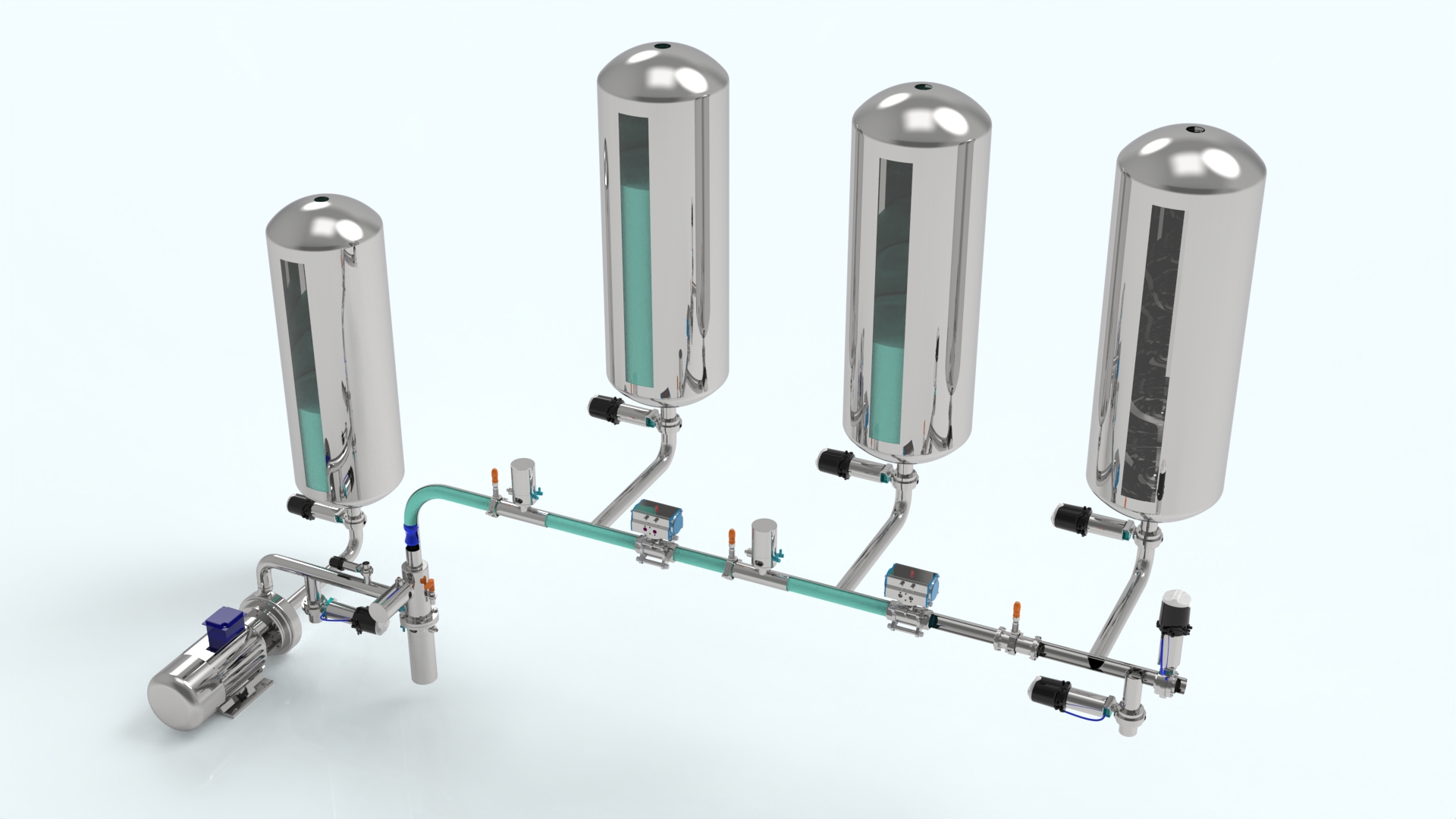
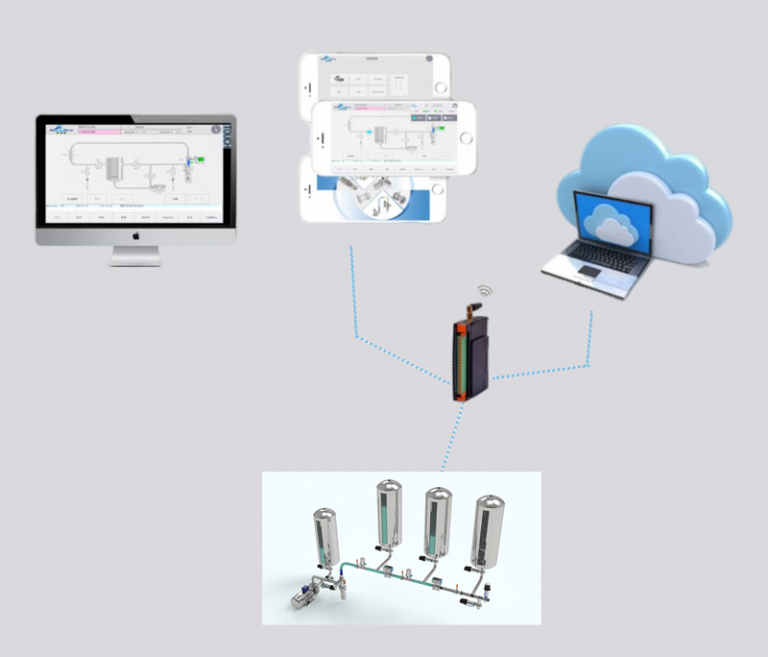
remote manageable energy mindful pigging systems in hot product lines?
Embarking State-of-the-Art Pipeline Methods pigging systems
Food Sector Pigging Technologies
Employing sanitation-centric pigging workflows provides maximum hygiene including risk mitigation. These protocols include food-contact compliant construction capable of withstanding aggressive disinfecting methods through preventing germ development.
- Cutting-edge models embed integrated CIP/SIP cycles, extending operational efficiency.
- Upholding mandatory guidelines holds priority for any food production technology applied in edible supply chains. Solutions are manufactured to satisfy strong criteria, confirming the highest safety levels.
Maximizing Flow Enhancement through Pigging Techniques
Pipeline system pigging devices provides a efficient approach for boosting fluid conveyance. Via harnessing intelligent inspection tool usage and strategic maintenance routines, personnel can alleviate service interruptions, raise flow rates, and maintain fluid channel reliability. Pigging not only detects potential defects such as hindrances or decay but also facilitates efficient servicing and review techniques. This strategic system control markedly lessens financial outlay and strengthens the total dependability of fluid transport systems.
Safety Enhancement via Pigging in Pet Nutrition
Pipeline pigging technologies have become essential components within the animal feed processing industry. These systems assist the safe and efficient flow of constituents through ducts, decreasing impurity introductions. By firmly differentiating different ingredients or product batches, pigging systems assist ensure the highest levels of quality and safety in pet food production.
Moreover, pigging systems offer a range of benefits, consisting of reduced downtime for sterilization and support, improved processing effectiveness, and small raw material leak. The use of pigging systems conclusively boosts the production of uncontaminated, nourishing, and uniform pet food.
Critical Design Elements of Sanitary Pigging in Pet Food
Amid the construction of pet food, sustaining strict hygiene is paramount. Pigging systems carry significant weight in preserving product purity and reliability by competently sanitizing pipelines between fabrication stages. A well-designed pigging system entails elements that avert infection possibilities, support effective sanitization processes, and eliminate source contamination between batches.
- Utilizing unblemished coatings reduces the potential for infection growth.
- Compounds that are cleanable and abrasion-resistant are vital for safeguarding hygiene.
- Appropriate valves blocks the inverted motion of unwanted substances during flushing and batch movement.
Hygienic pigging frameworks also strengthen workflow effectiveness by lessening downtime for sterilization. By carefully clearing residues and defending against cross-contamination, these systems support to a more steady production process, finally leading to the development of secure and excellent pet food.
Pigging Systems for Pipelines
Ensuring the integrity of channels is important for secure and streamlined transportation of substances. Pigging systems furnish a cost-effective technique to monitoring pipelines. A pig, also known as a pipeline instrument, acts as a mechanized device driven through the pipeline to undertake various actions. Cleaning pigs agitate buildup and contaminants, while inspection pigs are outfitted with mechanisms to detect impairments in the pipe walls. Regular pigging helps minimize pipeline malfunction, upholding safe and reliable delivery.
- Various types of pigs function, each designed for specific requirements.
- Pigging operations are efficient and can be executed without interference.
- Employing a pigging program can expand the functional period of pipelines and reduce maintenance costs.
Innovative Pipeline Tools for Pet Food
Pigging evolves as a pivotal solution in the pet food industry, ensuring efficient and sanitary production.
Cutting-edge pigging technologies employ sophisticated hardware to competently disinfect pipelines. This curtails the risk of intermixing between different pet food batch variations, thereby raising product safety and quality.
As well, advanced pigging mechanisms offer a range of benefits such as: * Increased efficiency in pipeline cleaning and maintenance * Lowered operational interruptions and halts * Superior cleanliness quality * Minimized usage of harmful substances
The utilization of these technologies emphasizes the pet food industry's commitment to maintaining safe and top-tier manufacturing for animal lovers.
Obstacles and Remedies in Pigging Systems for Pet Food Production
Pipeline pigging technologies are indispensable in the pet food production process, ensuring efficient shipment of elements and finished products. However, these systems endure multiple challenges. One frequent challenge is blockages caused by mass buildup. Resolving this concern involves implementing pigging plans such as adaptable devices and optimizing ingredient arrangements.
Another problem is the possibility of contamination. Mitigate this, strict decontamination protocols need to be implemented throughout the pigging system. This incorporates regular sterilization of pigging devices and deployment of strong cleaning agents. Regular monitoring are also vital to discover potential difficulties early on. By adopting these solutions, pet food manufacturers can protect the efficiency and security of their pigging systems.
Advantages of Pigging in Pet Food Production
Pipe cleaning techniques offer a variety of profits for pet food manufacturers endeavoring to boost their production processes. These systems utilize pressure-based pressure to propel such pig, a cleaning device, through the pipeline, efficiently removing product residue and contaminants. As a result, pigging systems assist to augmented hygiene standards, shrinking the risk of cross-contamination and providing a safer final product for buyers.
- Moreover, pigging systems can amplify production efficiency by reducing downtime for cleaning and maintenance.
- In addition, they help to cut down waste by restricting product loss during pipeline cleaning.
- Moreover, pigging systems can be configured to meet the specific requirements of different pet food production lines.
Real-World Pigging Success in Pet Nutrition Facilities
Animal nutrition sector is growing toward efficient and sanitary protocols for sustaining optimal product quality. Pigging systems have been established as a key solution to meet these demands, offering a safe method for cleaning and checking pipelines within pet food plants.
Diverse case studies demonstrate the impact of implementing pigging systems in various steps of pet food production.
- Corporations like [Company A], [Company B], and [Company C] have documented significant improvements in sanitation, product integrity, and overall operational functionality following the adoption of pigging systems.
- Profits such as reduced downtime for cleaning, eliminated cross-contamination risks, and improved visibility of product flow have been confirmed in these case studies.
What's more, pigging systems contribute to resource reduction by optimizing resource utilization and minimizing waste generation.
Identifying the Right Pigging System for Your Pet Food Pipeline
Pertaining to securing the standard standards of your pet food facility, a reliable pigging system is critical. Pigging systems maximize efficiency by eliminating product residue and curbing cross-contamination between batches. Selecting the fitting system depends on a variety of features, including your operational size, raw material characteristics, and existing infrastructure.
- Evaluate the size of your conduits to ensure a appropriate pig design.
- Review the density of your pet food products to decide on the correct pig material and tempo of operation.
- Highlight systems that incorporate features like automated launching and retrieval for better hazard prevention.