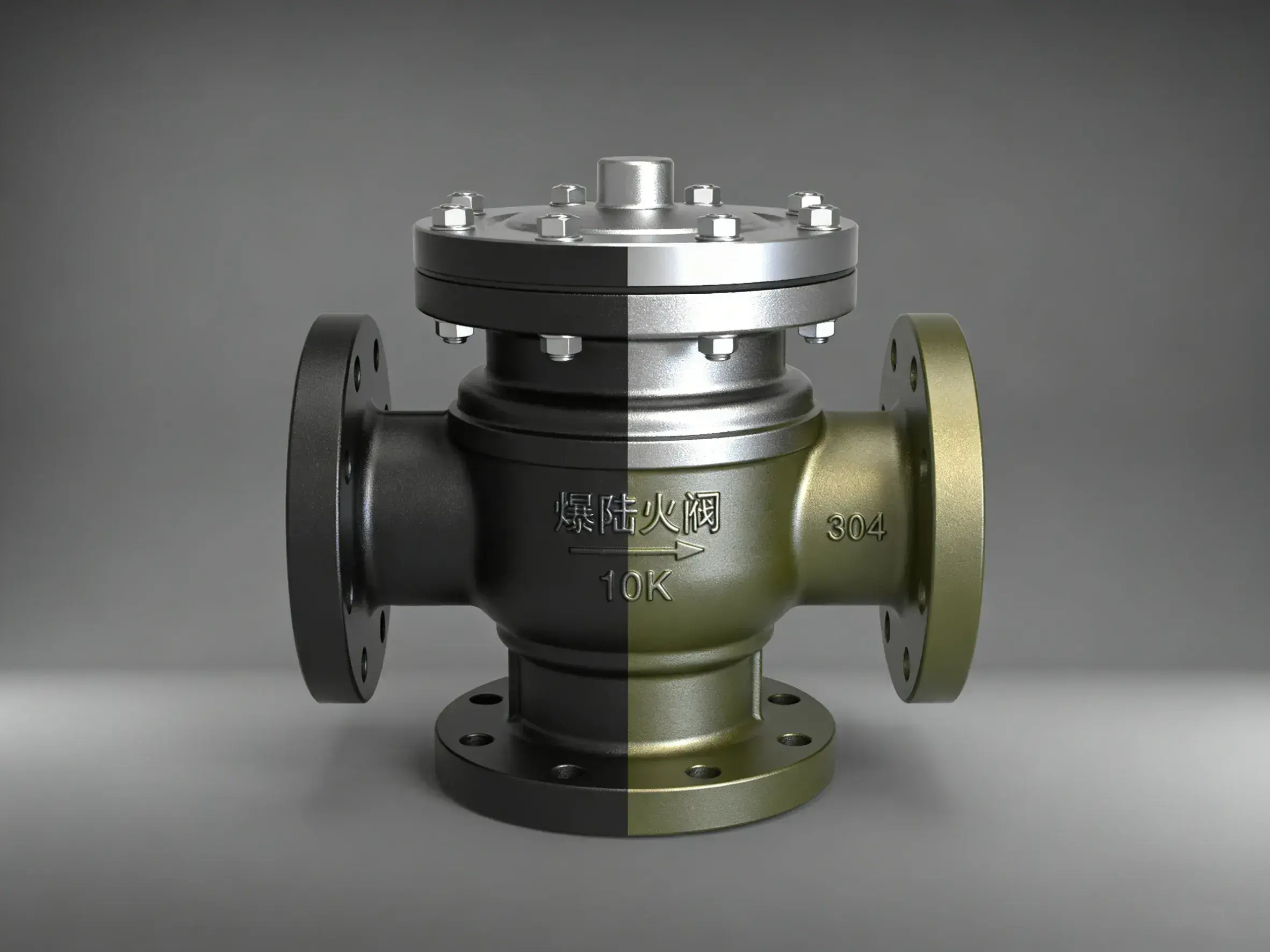
presentation ready global export oriented valve solutions?
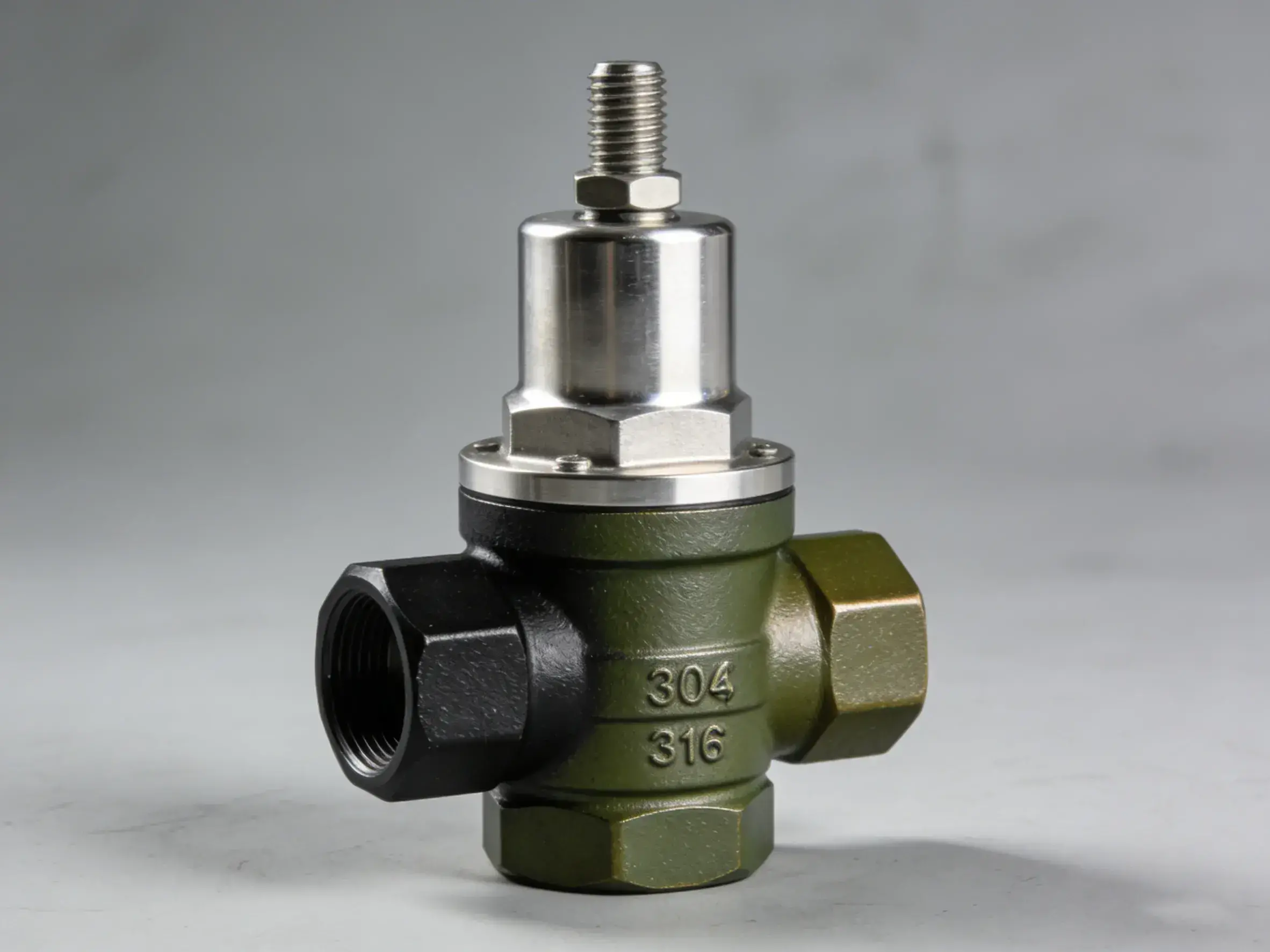
Vital industrial valve picking improves process performance and complete system functionality. To warrant excellent operation, you should carefully select valves that meet the prerequisites of your application.
A thorough valve selection directory ought to regard a series of considerations incorporating type of fluid, operational stress, temperature degree, flow momentum, and modulation essentials. Furthermore, figuring out the selected valve actuation technology like pneumatic, hydraulic, or electric is indispensable.
Butterfly Valves: Assessing Their Performance
Determining the optimal performance metrics for butterfly valves is crucial for engineers seeking to achieve efficient and reliable system functionality. Research assesses crucial variables determining butterfly valve capabilities, factoring composition characteristics, performance background, and inspection protocols. By in-depth analysis of such features, the content tries to furnish a full understanding of variables aiding butterfly valve success.
- Blueprint aspects markedly shape aggregate operation
- Constituent elements of valve frame considerably impact lifespan in versatile workplace situations
- Pressure drop is a key consideration when evaluating butterfly valve performance, especially in applications requiring high flow rates
Ball Valve Deployment in High-Force Scenarios
Ball valves manifest as strong choices for addressing raised pressure challenges. Their elementary system includes a round globe with an orifice that rotates to operate fluid transfer. This framework proficiently deals with amplified pressure phases thanks to its firm sealing.
Throughout areas like petroleum, ball valves carry a significant responsibility in directing raised pressure tubing. Their strength renders them suitable to endure the strain of elevated pressure liquids.
- On top, ball valves employ prompt switching, ensuring effective flow modulation.
- Supplied in varied matter and measures, ball valves personalize to match exclusive needs of diverse boosted pressure sessions.
Understanding Valve Types and Their Functions
Within fluid technology, valves act an indispensable part in directing flow of fluids or air. Deciding on applicable valve model is necessary to maximize performance. Valves may be classified regarding their functional concept, configuration, and usage. Widely used valves involve gate, globe, check, ball, and butterfly selections. All classes manifest exclusive aspects, aligning them with specified conditions. Particularly, gate valves adjust flux completely, and globe valves supply refined steering of rate. Check valves hinder reverse flow, guaranteeing unidirectional movement. Ball valves manifest rapid and reliable toggle operation, while butterfly valves are fruitful for high output applications.
Advancing Fluid Steering by Industrial Valves
Adjusting flow constitutes a fundamental element within diverse industrial tasks. Industrial valve mechanisms occupy vital roles steering fluids and gases within installations. Applying relevant valve styles coupled with tactical control schemes assists organizations in augmenting process performance, risk reduction, and quality results.
A principal consideration in refining flux handling depends on awareness of various valve utilizations. Various valve constructions match particular fluid behaviors, tension intervals, and functional settings. For instance, globe valves are commonly employed for throttling flow, while ball valves excel in on-off applications.
Attaining definitive flow control involves scrutiny of variables such as valve dimensions, actuation technologies, and supervisory structures. Adopting sophisticated regulation techniques such as programmable logic control supports mechanized flow tracking and tuning, optimizing throughput.
Ongoing upkeep of facility valves is fundamental for averting faults and sustaining optimal fluid management. Recognizing emerging defects ahead can lessen costly production halts and secure seamless management of essential tasks.
Servicing Standards for Industrial Valve Units
Systematic maintenance of production valves plays a key role in upholding flawless and reliable performance in industrial settings. A well-structured schedule should be implemented, encompassing regular inspections to identify potential issues before they escalate into major failures. Oiling of valve parts in line with producer guidelines notably prolongs operational lifespan and decreases wear. Furthermore, it's important to keep valves clean by removing any debris that may impede proper functioning.
An all-encompassing upkeep plan must incorporate logging of every procedure related to valves, covering timelines, staff participants, and component substitutions. This meticulous record-keeping helps track valve performance over time and facilitates informed decision-making regarding future maintenance needs.
Effect of Automation on Valve Performance
The introduction of automation has altered how valves perform within multiple fields. By implementing automated systems, operators can enhance valve control, minimizing manual intervention and improving overall process efficiency. Programmed valve control contributes several advantages like enhanced precision, decreased breakdowns, and improved safety measures
- Instrumentation holds vital importance in robotic valve configurations, offering continuous feedback on valve condition. Processing units receive this data to autonomously adjust valve operations
- DCS frameworks frequently serve to oversee automated valve processes, enabling advanced regulation methods. Such frameworks supervise valve functioning, pinpoint faults, and perform adjustment operations
In addition, computerized valve control supports refined operational monitoring. Compiling valve operational info aids managers in obtaining key insights to refine productivity and reduce outlays
Vital Safety Aspects in Valve Installation
Amidst assembling valves within operations, detailed safety precautions become imperative. Skipping safety policies provokes serious emergencies, possibly resulting in equipment harm and chiefly personnel casualties. A vigilant peril inspection must be arranged before mounting to uncover hazards and integrate applicable management measures.
Ensure that all personnel involved in the installation process are adequately trained and certified in handling industrial valves and adhering safety guidelines. Organize a reliable method of inspection cycles purposed to identify defects or decline in valve components. Retain complete paperwork covering all installation, evaluation, and servicing efforts to support long-term management
- Adhere to applicable trade guidelines and laws controlling valve setup and management
- Operate adequate utensils and mechanisms built for industrial valve construction
- Coordinate clearly with every participant related to the initiative to guarantee secure and smooth assembly
Valves: Fundamental Parts in Manufacturing Fields
Throughout the tangled network of industrial/processing/manufacturing realms, valves stand pivotal components. Their role is to direct the stream of liquids inside complicated setups, guaranteeing smooth performance and protection. Valves are utilized in a wide range of applications, from controlling temperature and pressure to transporting products
- Assorted valve forms exist, each configured to deliver dedicated functions. Usual examples include gate, ball, and globe models
- Valve selection evaluates aspects like volume flow, pressure intensity, temperature range, and fluid composition
- Secure valve working represents an essential factor in process industries to minimize disruptions and protect product excellence
Ongoing surveillance of valves helps optimize endurance and prevent failures
Modern Substances in Valve Fabrication and Engineering
The improvement in valve engineering and fabrication tightly connects to steady incorporation of leading-edge elements. These modern compositions grant several refined attributes over traditional picks, facilitating makers to assemble more powerful valves. Representative cases embrace strong ceramic composites chosen for durability in tough settings, paired with slimmetal mixtures maximizing capacity while lessening load. The use of modern compositions facilitates valves bearing enhanced sealing properties, increased longevity, and strengthened corrosion endurance
Valve Movement Mechanisms: A Comparative Assessment
{This investigation delves into the diverse valve actuation mechanisms prevalent in modern engineering applications|This exploration examines the varied valve drive technologies common in contemporary engineering uses|The study analyzes the mixed valve triggering systems typical in current engineering projects|This research evaluates the assorted valve motion methods widespread in advanced engineering scenarios|The survey inspects the multiple valve control techniques existing in up-to-date engineering solutions|This review considers the assorted valve operating mechanisms encountered in present-day engineering environments|This analysis explores the various valve activation systems found in progressive engineering implementations|The inquiry scrutinizes the heterogeneous valve Valves act