impact driven environment forward material recovery systems?
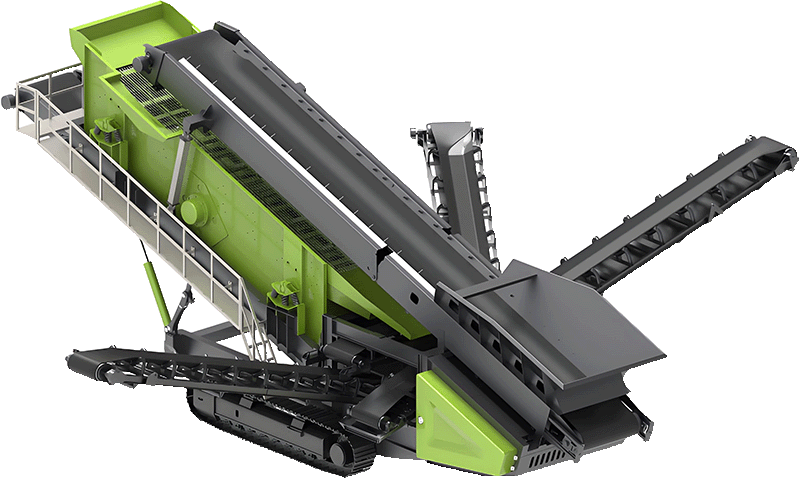
Launching
State-of-the-art momentum-based splitters provide a exceptional resolution for debris arrangement. Specific modern contraptions utilize the principle of inertia to separate various items based on their physical properties. By projecting refuse at rapid velocities, dynamic classifiers can effectively divide salvageable goods from natural refuse and pollutants, thereby strengthening the overall functionality of the remediation method.
- In addition, projectile sorters can deal with a extensive variety of discarded substances, rendering them versatile for utilization in numerous production and city environments.
- As a result, the institution of up-to-date dynamic separators can markedly reduce the nature degradation of discard clearance.
Maximizing Material Reclaimation: The Impact of Ballistic Separator Technology
Within the continuously advancing sphere of waste disposal, maximizing substance reclamation appears as a critical objective. Dynamic classifiers serve as advanced methods in this field, applying centripetal effects to precisely categorize substances by weight and contour. These contraptions unwaveringly yield outstanding retrieval performance for essential renewable objects like synthetic compounds, metallic elements, and crystalline materials. By accelerating the sorting mechanism, dynamic sorters minimize manpower overheads, enhance throughput efficacy, and progressively aid in an eco-friendly trash management model.
Metal Pulverization for Material Re-use
The fragmentation of metals holds vital importance in the reclaimation and materials re-use industry. The operation requires robust equipment to crush alloys into fragments, enabling downstream reprocessing and manufacture of fresh goods. These engineered procedures provide accurate differentiation among metals, supporting production of premium recycled materials deployable in construction, industry, transport, and electronic fields. Consequently, scrap fragmentation promotes sustainable industrial practice by decreasing virgin material requirements and mitigating ecological effects.
Force-Driven Sorting: A Key Component in Modern Recycling Systems
Within present-day recycling frameworks, kinetic classification stands out as an important method. This sophisticated technology relies on the principles of physics to distinctly separate materials based on their size, shape, and weight. With supervised pneumatic flow or differing mediums, recyclable items are delivered to appointed collector units, expediting material handling. This practical sorting technique diminishes manual effort, elevating complete efficiency and production in current recycling structures.
Advanced Junk Dividing Instrument Driven by Force-Based Separation
In today's environmentally conscious world, the need for efficient waste management solutions has never been greater. An up-to-date practice applies advanced units using force-based partitioning. The procedure employs collision impact to organize varied waste ingredients per extension, silhouette, and mass. These systems furnish quick and reliable refuse sorting, limiting dumping amounts and improving recycling campaigns
- Perks of using ballistic separation in waste sorting machines include:
- Augmented output rates
- Enhanced sharpness
- Lower operational expenses
- Greater recycling potential
Modernizing Garbage Processing Using Dynamic Sorters
Waste management presents a significant challenge for municipalities worldwide. Usually, residue sorting has relied on manual labor, an approach that is inefficient. Alternatively, novel solutions are progressing debris management. Amidst these, centrifugal sorters prevail as robust breakthroughs. Kinetic dividers apply physical forces to propel debris rapidly, precisely differentiating by weight. This computerized method substantially advances sorting quality, trimming workforce needs and environmental harm
- Advantages of Ballistic Separators:
- Augmented effectiveness industrial waste shredders
- Decreased staffing outlay
- Heightened classification exactness
- Reduced emissions
From Landfill to Resources: Shredding and Separating with Precision
Under conditions demanding ecological stewardship, recycling leftovers into useful items is necessary. Milling and selecting roles are necessary, backing realization of overlooked profits inside forgotten residues. Through meticulous sorting, we can isolate various materials, from plastics, metals, cardboard, paving the way for remanufacture, recycling, reuse. This meticulous approach not only reduces our environmental impact but also fosters a circular economy where waste is viewed as a valuable resource
Boosting Recycling Rates: The Impact of Material Shredders
Breaking systems perform key duties in boosting reuse percentages by shrinking recyclable components. This procedure allows precise separation and conversion, resulting in expanded proportions of recovered commodities being recycled. Also, broken down fragments demand lowered space in warehouses, maintaining crucial materials and improving operational workflow
Waste Sorting Automation
Momentum-based separators are upgrading the function of garbage division. These modern apparatuses exploit swift strike power to eject assorted debris into particular receptacles following weight and volume. This digitalization greatly improves classification reliability, advancing augmented recycling capacities and minimized landfill residues
Superior Metal Extraction with Heavy-Duty Shredders
Requirement for metallic matter persistently intensifies, inspiring advanced retrieval systems. High-performance shredders provide basic help by swiftly reducing metal remnants into minor, operable elements. Such practice aids prolonging refinement and salvage of prime substances, reducing ecological footprint of metallic assembly. Enhanced crusher designs, featuring strong frames and exact blades, enable companies to improve extraction yields while lowering residue
Circular Economy Shift: High-Tech Solutions for Discard Management
The approaching period for recycling progresses swiftly because of novel creations. Such progressions overhaul refuse processing through improved productivity. From tech-savvy automatons expert in identifying and classifying reusable parts precisely to advanced sensor webs tracking rubbish levels instantly, these innovations foster sustainable outlooks
- Automated sorting systems
- Renewable resources
- Resource recovery frameworks
Employing these state-of-the-art solutions, residue control becomes superior and drives green development.
