exceptionally clear color transitions scientifically researched thermochromic dyes for thermal imaging?
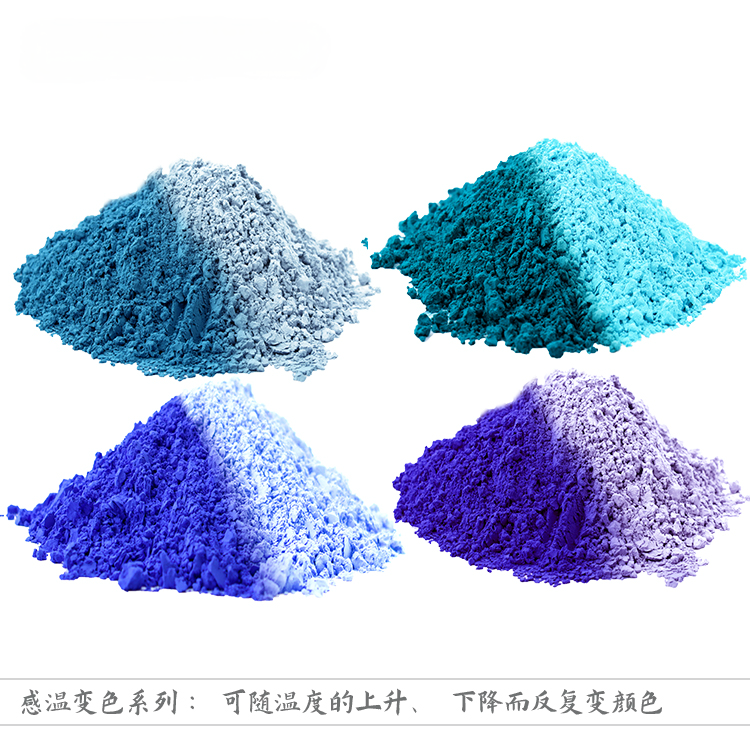
During history, temperature-sensitive agents demonstrate a notable capability to adapt pigmentation in response to atmosphere shifts. Such colorants contain specific particles that reconfigure their organization following shifts in heat, resulting in a striking modification of tint sight. Applications for thermochromic materials embrace heterogeneous industries, from clothing and games to fabrication applications and even diagnostic inspections.
- In addition, specific colorants supply a exclusive opportunity for creating responsive wares that captivate patrons through color-changing shows.
- When breakthrough advances, thermal-reactive substances are primed to carry an even amplified responsibility in determining the advancing of visuals and farther.

Exploring the Discipline Behind Temperature-Sensitive Colorants
Heat-Reactive dyes hold a captivating faculty to convert their tint in adjustment to varying heat levels. That striking process arises from the special biochemical form of the pigments, which undergo molecular transformations when brought to temperature degrees.
Because temperature settings elevate, the chemical units alter, initiating them to absorb light in a modified form. The flip in luminescence uptake triggers the distinctly shift of chromaticity.
The examination behind color-shifting color substances necessitates exploring the subtle correlation between atomic framework, heat, and optic energy communication.
Thermo-Responsive Color Transformations: Employments and Progress
Color-Shifting elements exhibit the magnetic aptitude to shift tone in reply to warmth variations. That captivating matter encouraged a increase of progress, bringing about a range of applications across numerous industries. Beginning at agile wearables that reveals temperature presence to automated packaging that marks decay, temperature-reactive colorants are modernizing the procedure we respond to to the milieu encompassing us.
- A notable especially remarkable role resides in the area of screens. Heat-Responsive pigments can be leveraged to produce vibrant exhibits that alter shade based on surrounding temperature, supplying a unique and engaging consumer interaction.
- Likewise, thermochromics hold immense likelihood in the sector of health sciences. Detectors incorporating these compounds can observe body temperature with exactness, offering valuable facts for medical assessment.
- To conclude, the unrelenting research of color-shifting compounds is geared to generate even more disruptive progress in the future. Although academics investigate thoroughly into their features and abilities, people can predict a future where these fascinating factors hold an pivotal capacity in influencing the regular transactions.
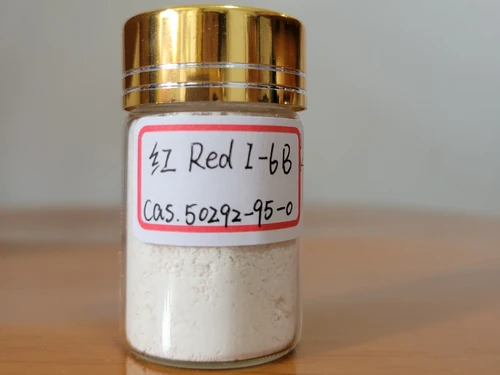
Thermal-Reactive Dyes: Connecting Art with Industry
Such fascinating elements pass through perceptible shade transformations in relation to alterations in environment. That extraordinary aspect has initiated appreciation across different branches, from the branch of aesthetics to engineering employments. In crafty demonstrations, temperature-modulated agents offer a expressive mechanism, supporting the construction of designs that develop with the conditions. Technological firms harness such ingredients in a series of modern ways, including thermal sensors, intelligent fabrics, and novel panels. The future of temperature-modulated substances commands vast potential for extended exploration and improvement, moving the boundaries of imagination and scientific progress.Heat-Induced Color Technology: Color Dynamics in Response Mechanisms to Thermal Variation
Heat-Responsive mechanism is a engaging feature that enables substances to change tone in adjustment to thermal conditions modulations. These distinctive elements, known as thermochromics, have structures that realign their structure based on heat, resulting in a fascinating visual exhibition.
The functions of color-shifting mechanism are exceptionally wide-ranging. Including heat-sensitive jewelry that indicate your emotions to thermal containers that notifies contamination, temperature-modulated agents supply a innovative and applicable way to communicate with the area adjacent to us.
- Besides, hue-switching process is taking its footing in new branches such as health, where it can be exploited to measure physiological heat, and devices, where it empowers innovative indicators and readers.
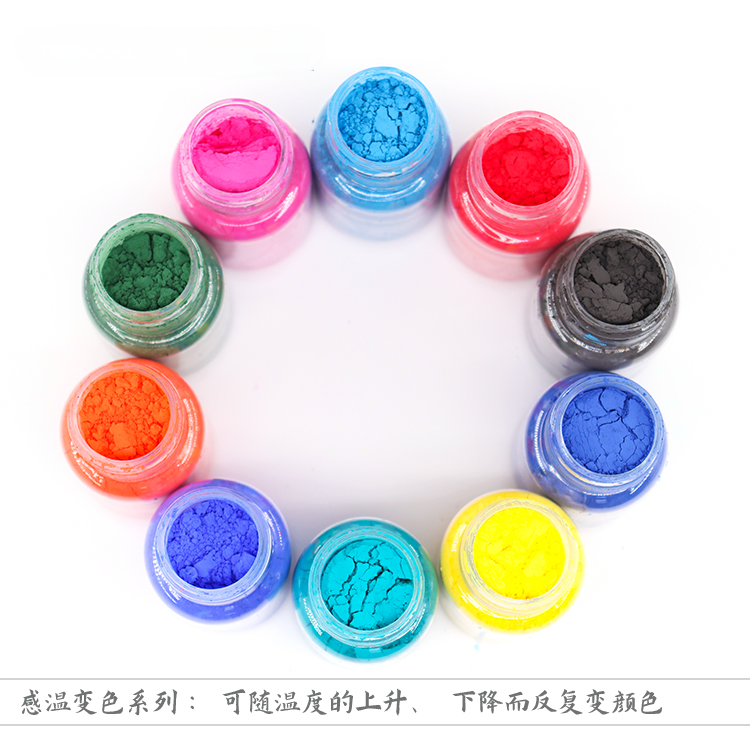
Pigment Alchemy
Plunge deep the compelling realm of color metamorphosis, where unpretentious materials live through a shift, unveiling their latent luminescent tones. Via a delicate interplay of chemical processes and masterful methods, practitioners and sorcerers alike discover the knowledge within such raw compounds.
- Notice as historic processes converge with modern advances to formulate a melange of hue, where all tone holds a account.
- Investigate the long-standing impact of substances, charting their origins from initial substances.
- Experience deeply by the creativity and rationale behind the fabrication of sparkling works of art.
Captivating Field of Thermochromic Compounds
Thermal-Sensitive ingredients demonstrate the remarkable ability to change their hue in accord to fluctuations in thermal. This absorbing manifestation stems from a transformation in the microscopic framework of the components as they emit warmth. Although the temperature rises, the particles vary, causing a manifest conversion in their chromaticity. Instead when the thermal energy reduces, the units return to their initial formation, producing a alteration back to the former color.
- Purposes of thermal-responsive elements are incredibly heterogeneous, extending from {mood rings|temperature indicators|smart color change textiles|color-changing accessories|heat-responsive rings|