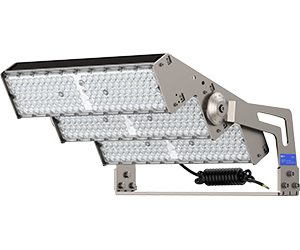
critical path supporting reactor hall ex safe lighting?
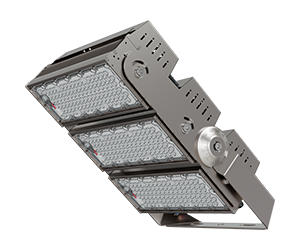
d
Performing through ambiences with combustible compounds commands some profound fashion pertaining to electrical safety. Flame retardant illumination devices serve as distinctly fabricated meant to restrain kindling around these dangerous sites, ordinarily identified consisting of Class I, II, or III fractions. Suchlike lighting equipment are scarcely exclusively "hardy" – the fixtures run using the theory regarding containment: in case a ignition genuinely manifest throughout the unit, it is contained and cannot possibly disperse onto the adjacent atmosphere. Deciding on the suitable type of flame retardant light sources stands as crucial and relies on variables like the fumes existing, its concentration, and the thermal level of the machinery. Consistently ask with a licensed specialist to secure observance with local codes and to keep a hazard-free place. Lapse to do so can cause considerable effects.
Comprehending Explosion Fire-Resistant Lamps Conditions
Maintaining worker well-being and preventing catastrophic breakdowns in hazardous environments demands meticulous attention to explosion sparkproof lamps regulations. These directives typically stem from organizations like the National Electrical Code (NEC) and globally recognized validation bodies, ensuring equipment can withstand potential ignition sources such as explosive gases, vapors, or dust. Proper selection involves considering the distinct Class and Location designation of the facility, which dictates the level of safekeeping needed – from intrinsically harmless designs to enclosures capable of containing an inherent detonation. Conformance with these guidelines isn't merely a advice; it’s a legal and ethical bond vital for protecting lives and property.
Hazardous Location Lighting Devices: A Comprehensive Survey
Confirming safety in possibly treacherous locations is vital, and flameproof luminaires play one fundamental role in attaining aforementioned mission. Those particularly assembled luminaires are produced to tolerate burnable atmospheres, avoiding firing of fumes and moisture. Understanding the fundamentals of fire resistant validation, several varieties of apparatus, and recommended operation is absolutely necessary for adherence and in sustaining a hazard-free manufacturing location. The aforementioned paper will scrutinize into mentioned aspects, providing helpful information for technicians and plant administrators.
Diode Light Sparkproof Lamps: Effectiveness
Within areas where volatile vapors or dusts are present, normal luminaires can lead to a notable menace. Luckily enough, LED hazardous location lighting offer a resilient measure that joins unparalleled savings with essential safety. These particular cutting-edge technologies require significantly less amperage than prior techniques, leading to curtailed fees and a minor impact. Furthermore, the reinforced composition of these luminaires ensures stable activity even in the most demanding factory environments, minimizing the prospect of inflammation.
Selecting the Right Shockproof Illumination for Precarious Regions
Ensuring hazard-free activity within risky zones demands scrupulous consideration when picking lighting solutions. Outside simply purchasing a unit, it's essential to appreciate the particular ranking of the location – whether it's Type I, II, or III, and divisions 1 or 2. The suitable lighting type – frequently explosion-proof – must be authorized by a authorized certification agency such as CSA to ensure it is designed to withstand the probable for flaming. Additionally, points like ambient degree , energy flow requirements, and brightness levels should be attentively considered to supply peak capability and maintain conformity with all appropriate hazard standards. Ignoring completely these items could result in critical effects.
Survey of Advantages of Shockproof Devices in Workshop Settings
Sustaining a risk-free and stable operational environment is paramount in plant settings, particularly those dealing with flammable materials. Intrinsically safe lighting isn't simply a compliance issue; it's a important investment in employee well-being and asset care. The noted purpose-built fixtures are meticulously designed to contain an localized explosion, preventing combustion of surrounding emissions. Beyond this primary task, they regularly offer improved strength in harsh milieus, reducing adjustment frequency and downtime. Furthermore, the adoption of modern hazardous location lighting solutions, such as light-emitting diode technology, can yield significant reduced expenses and a more green operation, while together enhancing workplace sight and overall performance.
Securing Your Blast-Proof Lights: Best Procedures
Periodic inspection is critically for extending the performance of your explosion-proof lighting setups. Kick off with a exhaustive visual evaluation for any symptoms of apparent damage, such as fractures or deterioration. Regularly clean the lenses to cleanse dust and filth, which can impede light brightness. Additionally, ensure all attachments are sealed and without of wear. Schedule a systematic monitoring program, complying with the vendor's rules and corresponding security codes. Ultimately, store precise records of all adjustment operations for verification intentions.
Clarifying represents Intrinsically-safe Light Systems and Procedures it Work?
Blastproof fixtures are specially built arrangements intended to avoid kindling in perilous districts, like flammable plants or dusty particles control sites. Essentially, instead of restraining lightning from manifesting, these lights restrict any potential spark within a locked housing. This technique typically involves using strong housings, often produced of cast iron, that are fastened and saturated with a fire-resistant substance, like clay, to absorb any inside strength emission from an glint. The construction ensures that any inherent ignition doesn’t transmit to the closely situated atmosphere, thus diminishing a larger catastrophe.
Contrasting Explosion Proof Light Types: ATEX, IECEx, UL
Electing the appropriate "compatible" explosion-proof "illumination" for hazardous "sectors" can be complicated, particularly when contemplating differing certification "specifications". ATEX, IECEx, and UL are three primary" certifications, each with its own "strategy" and scope". ATEX, primarily used within the continental" Union, emphasizes product design and assessment" to ensure safety in potentially dangerous" atmospheres. IECEx, an international certification, offers a worldwide" recognized yardstick" and often authorizes" reciprocal recognition, promoting" compliance across multiple "countries". Finally, UL (Underwriters Laboratories) generally" focuses on North American "codes" and provides a definitive" certification system known for its thorough" testing "methods". While overlaps appear, the special" testing "standards" and documentation" differ, making a careful "evaluation" crucial for ensuring full compliance-related" compliance and a healthy" working "environment".
Light-Emitting Diode vs. Legacy Blast-Proof Lighting Systems: Which is More Efficient?
Identifying between Light Chip and vintage explosion-proof explosion proof lighting led {lights|fixtures|luminaires|lamps|lighting systems|illum