Considering the most efficient processor types Is embedded Linux kernel support for real-time applications deeper in x86 or arm SBCs
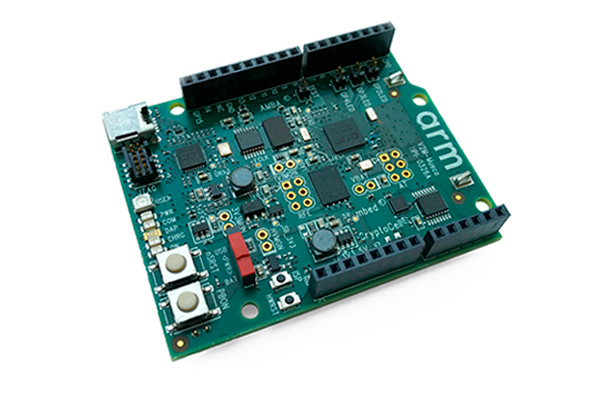
Over the past eras, the digital environment has been dominated by two primary architectures: the ARM versus x86 architectures. Both platforms possess distinct advantages, leading to a intense struggle for business capture. While x86, the senior technology, has long held the crown in laptop and mainframe segments, ARM's expansion is profoundly notable.
ARM's low-energy competency, coupled with its pliability, has made it a preferred choice for smartphones and embedded platforms. However, ARM is now venturing to conquer new territories, including ultrabooks and large-scale data hubs. Their goals have confronted the dominant x86 figures, who are adjusting through fresh inventions to maintain dominance.
- Critical contrasts in systems alter computing capabilities, power consumption, and overall system design.
- The evolving needs of consumers are driving the demand for more effective computing solutions.
In summary, the fight between ARM and x86 represents an adaptable and progressing domain, with both platforms continuously evolving to meet the demands of a rapidly changing world. The outcome of this contest remains to be seen, but one thing is certain: the future of computing will be shaped by the innovations and advancements of these two titans.
best x86 sbcPicking ARM versus x86 Based on Efficiency
Inside the always developing computational space, selecting the prime chip configuration can be a daunting task. Two titans dominate the market: ARM and x86. Both offer compelling merits, but their performance elements diverge significantly. This complete analysis delves into the intricacies of each architecture, empowering you to make an informed determination.
- Throughput
- Energy Efficiency
- Cost
We'll explore benchmarks, real-world contexts, and the benefits of each architecture, helping you identify which platform best suits your requirements.
Causes of ARM's Popularity Over x86 in Embedded Solutions
ARM architectures prevail across integrated circuitry environments. This strength follows diverse vital contributors. First, ARM's structure is fundamentally resource-saving, making it ideal for devices with limited power budgets. Second, the ARM ecosystem incorporates a wide and thriving assembly of developers and hardware partners, providing ample support and advancement. Finally, ARM's broad licensing policy promotes innovation for exclusive uses, leading to a wide range of solutions. These factors have amalgamated to confirm ARM preference for countless embedded devices, from smartphones to smartwatches and even industrial automation.
Premier x86 SBC Models for Intense Workloads
Choosing the ideal x86 Single Board Computer can be a daunting task, especially when you're a expert operator. You need a device that can handle demanding workloads, offer strong capabilities, and provide a platform for advanced tasks.
- Diverse criteria guide the prime SBC decision, including processing power, RAM capacity, storage options, connectivity features, and community support.
- For earnest professional operators, a board with a potent CPU resembling Intel i5 or Ryzen 5 is essential.
- Coupled with sufficient memory and quick drives importance for smooth and efficient operation.
Don't just settle for an SBC that meets minimum requirements; invest in a platform that can effectively boost your initiatives.
In-Depth Survey of x86 Single Board Technology
Investigating budget-friendly x86 SBC devices is highly appealing. These small computers supply a broad range of functions to users. From building smart environments to experimenting with software, x86 SBCs provide a scalable, reasonably priced infrastructure for invention. This guide will enable mastery over the growing field of x86 SBCs, exploring the capabilities of these ingenious boards.
- Survey progression and importance of x86 SBCs in IT infrastructure.
- Study typical x86 single board systems across criteria and customer groups.
- Study vital elements assembling x86 single board computers.
- Delve into development frameworks and operating environments fitting x86 SBCs.
- Present original deployments of x86 SBCs throughout different areas.
Emergence of ARM in Personal Computer Sectors
Despite typical association with smartphone mastery, ARM architecture is steadily making inroads upon personal computing areas. Several factors contribute to this direction, including the increasing demand for energy-efficient computing and the growing popularity of cloud-based applications. Brands such as Apple deploy ARM technology in their MacBook series, demonstrating the potential for high output. This trend is further fueled by the development of new designs specifically tailored for desktop workloads. As these innovations mature and become more widely available, we can expect to see ARM's presence amplify profoundly in the near future in the desktop market.
Evaluating x86 against ARM For Optimal System Performance
In the process of buying a computer, two leading processing frameworks emerge: x86 and ARM. Both offer distinct benefits, making the decision a matter of customizing your needs with the right platform.
The veteran x86 model is famous for powerful output alongside extensive application availability It dominates in desktops, laptops, and workstations, particularly for demanding tasks like gaming or video modification. ARM, on the other hand, accentuates energy efficiency and a compact design. This turns it ideal for mobile devices, embedded systems, and increasingly, server farms.
- Contemplate your core operational scenario: Are you a gamer? Do you need raw power or minimized energy consumption?
- Analyze software suitability between platforms. Not all applications are available on both platforms.
- Factor in the cost and availability of devices based on your chosen architecture.
Petite yet Robust Elite ARM-Based Computers
Single board computing has surged recently with ARM chips leading owing to power saving and adaptability. These compact gadgets pack a surprising punch, offering incredible capabilities within a diminutive footprint. For hobbyists, makers, and even professionals, ARM-based SBCs provide a cost-effective platform for everything from learning about electronics to building fully functional projects. Whether you're looking for a budget-friendly option or a high-performance powerhouse, there's an ARM-based SBC out there to meet your needs.
- Examine key candidates throughout this expanding domain!
Testing ARM Opposed to x86 Capability Metrics
Evaluating ARM against historical x86 systems in tests illustrates striking differences. While x86 has traditionally excelled in operational force, particularly for laborious operations, ARM technologies constantly approach equivalence, especially in areas like mobile performance and energy efficiency. The recent surge in popularity of ARM-based processors for laptops and desktop PCs further fuels this clash. It's important to note that benchmark results can be conditioned by several aspects, including the specific sample assessed, program strain, combined with control software. Therefore, it's crucial to evaluate evaluations thoughtfully above mere counts.
Are we seeing ARM Substitute x86 as Main Architecture
The technological field keeps evolving, and one of the most fascinating shifts observed include ARM's ascendancy. While x86 has long led the market, ARM's power-saving capabilities become increasingly appealing. This has led to conjecture that ARM may well overtake x86 as the primary architecture.
- Numerous causes drive this trend: ARM's energy-efficient design is particularly attractive for mobile devices laptops and even servers.
- On top of that, ARM's user-friendly rights structure stimulates breakthroughs within groups, leading to a diverse selection of processors.
That said x86 continues to be a formidable contender. Principal companies commit sizeable funding for x86 innovation, and long-standing installations stay usable indefinitely.
As a result, it is difficult to predict a full ARM substitution for x86. The digital world is expected to integrate both platforms harmoniously, with each playing its part in different market segments.
Insights into ARM and x86 Harmonization in Computation
Digital environments face continual development. Once distinct architectures, ARM and x86 are now on a collision course, converging to reshape the future of processing power. This convergence brings pioneering developments for developers and consumers alike. ARM's energy efficiency and compact design have made it the dominant force in mobile devices, while x86 has long reigned supreme in desktops and servers. However, convergence is intensifying, driven by factors such as the increasing demand for mobile computing and the rise of cloud services.
- This merging is expected to produce broader device categories, powered by hybrid architectures that capitalize on powers of both platforms. This could result in augmented nomadic machines equipped with prolonged power and optimized servers.
- Moreover developers will have access to a wider range of platforms and tools, enabling them to create innovative applications that forge fresh paths. The future of computing promises remarkable outcomes, with ARM and x86 convergence playing a pivotal role in shaping the next generation of technology.